
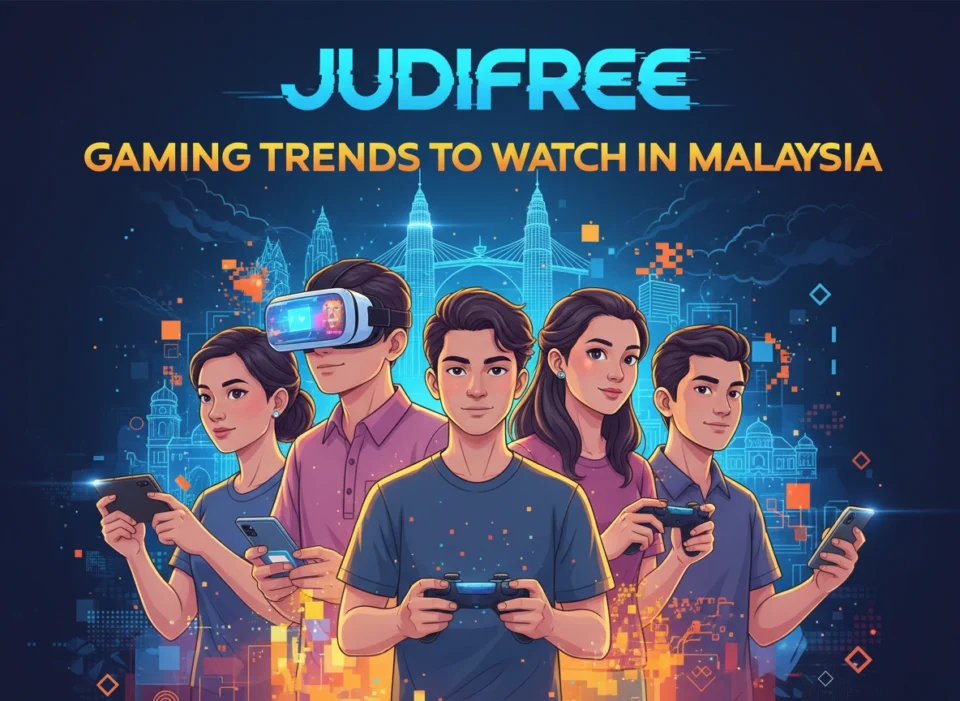
The Malaysian gaming landscape is undergoing a significant transformation. What was once a niche hobby confined to internet cafes and living rooms has exploded into a multi-billion ringgit industry. As digital infrastructure improves and smartphone penetration reaches new heights, the way Malaysians play is changing rapidly. A central theme in this evolution is the shift toward accessible, skill-based, and entertainment-focused platforms that prioritize user experience and community building.
This article explores the key trends shaping the Malaysian gaming sector in 2025 and beyond. We will examine the rise of mobile dominance, the booming eSports ecosystem, and the emerging concept of responsible, entertainment-first gaming environments that many observers are now calling the “judifree” movement.
The Mobile-First Revolution
If you want to understand gaming in Malaysia, you have to look at mobile screens. Unlike Western markets where PC and console gaming have long histories, Southeast Asia leapfrogged directly to mobile. Malaysia is no exception. Affordable smartphones and widespread 4G (and increasingly 5G) connectivity have democratized access to gaming.
Accessibility Drives Adoption
The primary driver for this trend is accessibility. High-end gaming PCs and next-gen consoles require significant upfront investment. A smartphone, however, is a necessity for modern life in Kuala Lumpur, Penang, and even rural areas. This dual utility makes the barrier to entry for gaming incredibly low.
Game developers have taken notice. Major titles like Mobile Legends: Bang Bang (MLBB), PUBG Mobile, and Free Fire are optimized for mid-range devices, ensuring that millions of Malaysians can participate without needing the latest hardware. This inclusivity has created a diverse gaming demographic that spans age groups and socioeconomic backgrounds.
The Shift in Game Design
Mobile dominance has also influenced game design mechanics. Sessions are shorter, controls are simplified for touchscreens, and social integration is seamless. Players can jump into a match during a lunch break or while commuting on the MRT. This “snackable” content model aligns perfectly with the fast-paced lifestyle of modern Malaysians, ensuring high retention rates and daily active user counts that rival global averages.
The Rise of “Judifree” Gaming Environments
One of the most interesting cultural shifts in the Malaysian market is the growing demand for transparent and fair gaming environments. As the industry matures, players are becoming more sophisticated. They are looking for platforms that prioritize entertainment value, skill development, and community over predatory mechanics.
This is where the concept of judifree gaming comes into play. While the term often relates to navigating the regulatory landscape, in a broader consumer context, it represents a desire for safe, legitimate, and stress-free entertainment. Players want to know that the games they are playing are fair and that the platforms hosting them are secure.
This trend is reshaping how operators approach the market. There is a stronger emphasis on:
- Security protocols: Two-factor authentication and encrypted transactions are becoming standard.
- Fair play algorithms: Ensuring that matchmaking and game outcomes are not manipulated.
- Community policing: Robust moderation tools to prevent toxicity and harassment.
The modern Malaysian gamer is discerning. They are moving away from shadowy, unregulated sites and toward platforms that offer a premium, trustworthy experience. This flight to quality is forcing the entire industry to level up its standards.
eSports: From Passion to Profession
It is impossible to discuss gaming trends in Malaysia without highlighting the meteoric rise of eSports. The Malaysian government has actively recognized eSports as a legitimate sporting activity, allocating budget and resources to develop the ecosystem.
Government Support and Infrastructure
The Ministry of Youth and Sports has been instrumental in this growth. By endorsing tournaments and helping to establish training centers, they have legitimized gaming as a career path. This support has trickled down to the grassroots level, with universities and colleges now offering eSports clubs and even academic programs related to game development and management.
Local Heroes and Global Stages
Malaysian teams are making waves on the international stage. Organizations like Soloz and heavyweights in the Dota 2 and MLBB scenes have proved that local talent can compete with the best in the world. When a Malaysian team competes in a major tournament, viewership numbers spike across local streaming platforms.
This success creates a virtuous cycle. Young players see their idols succeeding and are inspired to take their own gameplay seriously. It also attracts sponsorship dollars from non-gaming brands—telcos, food and beverage companies, and lifestyle brands—who are eager to tap into the youthful, engaged eSports audience.
The Influence of Local Culture
Localization is another critical trend. Global publishers are realizing that simply translating a game’s text into Malay isn’t enough. To truly capture the Malaysian market, content needs to resonate culturally.
Cultural Events in-Game
We are seeing more in-game events tailored to Malaysian festivities. During Hari Raya, Chinese New Year, or Deepavali, popular games often feature themed skins, items, and map decorations. This acknowledgment of local culture fosters a deeper emotional connection between the player and the game. It signals that the developers value the Malaysian community not just as consumers, but as a unique cultural entity.
Localized Marketing
Marketing campaigns are also becoming more hyper-local. Influencers and streamers who speak a mix of English, Malay, and Mandarin (often “Manglish”) are the most effective voices for promoting new titles. Their authenticity cuts through the noise of polished, corporate advertising. They understand the memes, the slang, and the humor that resonates with local gamers.
Cloud Gaming and 5G
While mobile gaming dominates currently, the infrastructure for cloud gaming is being laid. Malaysia’s rollout of 5G technology is a game-changer for this sector. Cloud gaming promises to decouple the gaming experience from hardware limitations entirely.
Breaking Hardware Limits
With high-speed, low-latency 5G connections, a gamer could theoretically play a AAA graphics-intensive title on a budget smartphone or a basic laptop. The processing power is handled by remote servers, and the video is streamed to the device.
This trend is still in its infancy in Malaysia compared to mobile eSports, but it represents the next frontier. As 5G coverage expands beyond the Klang Valley to other states, we expect to see a surge in subscription-based cloud gaming services. This will further lower the barrier to entry for high-fidelity gaming experiences.
The Social Aspect: Gaming as a “Third Place”
Sociologists often talk about the “third place”—a social environment separate from home and work. For many young Malaysians, online games have become this third place. It is where they hang out with friends, meet new people, and socialize.
Voice chat and Discord communities are integral parts of the gaming experience. The game itself often serves merely as a backdrop for social interaction. This was particularly evident during the pandemic lockdowns, but the habit has stuck. Developers are responding by building better social tools directly into their games, such as sophisticated chat systems, guild features, and collaborative events.
This social glue creates high switching costs. Players are less likely to abandon a game if their entire social circle is active within it. This trend emphasizes retention over acquisition; keeping a community happy and connected is more valuable than constantly chasing new users.
Conclusion
The future of gaming in Malaysia is bright, dynamic, and increasingly inclusive. The market is moving beyond simple consumption toward a more complex ecosystem involving professional competition, cultural integration, and advanced technology.
From the ubiquity of mobile gaming to the professionalization of eSports, the trends are clear. Malaysian gamers demand accessibility, cultural relevance, and fairness. The rise of judifree environments highlights a maturity in the market where trust and user experience are paramount.
For developers, marketers, and industry observers, the key takeaway is adaptability. Malaysia is not a monolith; it is a vibrant mix of cultures, technologies, and preferences. Success in this market requires understanding the nuances of local behavior—from the “mamak” culture of late-night gaming sessions to the sophisticated demands of the modern eSports enthusiast.
As we move through 2025, expect to see the lines between social media, entertainment, and gaming blur even further. The winners in this space will be those who can provide seamless, engaging, and culturally resonant experiences that respect the time and intelligence of the Malaysian player.
