
Updated: 27 July 2026 · Reviewed for clarity and usefulness
On this page
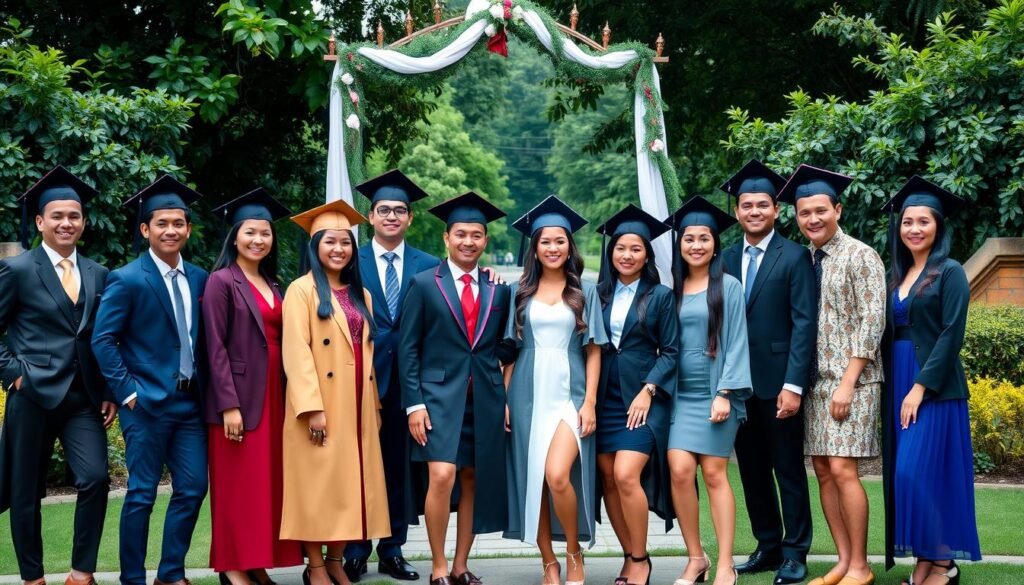
Graduation is a formal milestone, but choosing what to wear should not become another exam. Your outfit needs to look polished in photographs, sit comfortably beneath an academic gown and work for a day that may include travel, waiting, stairs, a ceremony and a meal. The most useful graduation outfit ideas balance personal style with practical details.
Check the ceremony information first
Read the guidance from your university, college or venue before shopping. Some ceremonies specify formal or smart dress, while others offer broader flexibility. The instructions may also explain how an academic hood will be fixed, whether bags can enter the hall and where coats must be stored.
Think about the full schedule. You may need to collect robes early, queue with your course, cross a stage, pose outside and attend a reception. If the ceremony has steps or a long walk from parking or public transport, include that in your decision.
How to wear a blazer for graduation
A blazer adds structure and can make a simple dress or separates feel more formal. It is also a useful removable layer for a spring, summer or autumn ceremony. Choose a fit that allows you to move your shoulders easily and does not bunch underneath the academic gown.
Single-breasted styles usually create a clean line without too much bulk. Lightweight woven fabrics can look smart, while very thick or heavily padded jackets may feel uncomfortable under robes. Check the blazer from the side and back as well as the front.
Blazer and dress combinations
Pair a neutral blazer with a plain or softly patterned dress for an adaptable look. Navy, black, stone, grey and cream work with many colours. A cropped blazer can define the waist of a fuller dress, while a longer tailored style often suits a straight or fitted shape.
Blazers with smart separates
A matching trouser suit creates a coordinated outfit and is easy to layer. Alternatively, combine a blazer with wide-leg trousers and a simple top, or with a midi skirt that allows a comfortable stride. A jumpsuit can look polished, but check that it remains practical during a long day.
Choosing a graduation dress
The ideal dress length is the one that lets you sit, walk and use stairs confidently. Midi and knee-length dresses are practical choices, but a shorter or longer style can also work when it suits the dress code and venue. Test the outfit while wearing the shoes and underwear planned for the day.
A secure neckline can make robing easier because the hood may sit across the shoulders and upper chest. Avoid placing delicate decoration exactly where the hood will rest. If you prefer sleeves, ensure they fit comfortably beneath both the blazer and gown.
Plan for changeable UK weather
A UK graduation can involve sunshine, wind and rain within the same day. Check the forecast, but prepare a flexible outfit rather than trusting one prediction. A blazer, light trench or smart coat can provide warmth outdoors and be removed inside. If rain is possible, carry a compact umbrella and choose an outer layer that will not drag on wet ground.
For a winter ceremony, consider discreet thermal layers, opaque tights or warm socks. In warmer weather, breathable fabrics and a lightweight blazer can reduce discomfort beneath the gown. Removable layers are more useful than one very heavy garment when indoor and outdoor temperatures differ.
Choose shoes for comfort and safe movement
Graduation shoes should feel secure while walking, standing and crossing the stage. Heels are optional, not essential. Loafers, brogues, smart flats, low block heels and clean formal boots can all complement a polished outfit. If you choose new shoes, wear them indoors before the event and check for rubbing.
Consider the ground around the venue. Thin heels can be awkward on grass, gravel or uneven paving, while smooth soles may need extra care in rain. A spare pair of comfortable shoes can be useful for the journey or reception.
Make comfort and accessibility part of the style
Your graduation outfit should support your needs. If you use a mobility aid, test how jacket hems, long skirts and wide trousers move around it. Avoid loose details that could catch on wheels, crutches or handrails. Choose fastenings you can manage and leave room for any brace, medical device or sensory comfort layer.
Contact the venue in advance if you need step-free access, a particular seat, a quiet waiting area or help with robing. For sensory comfort, remove scratchy labels, avoid restrictive collars and choose familiar fabrics. These choices can help you participate confidently throughout the ceremony.
Graduation outfit examples
Classic and tailored
Try a navy blazer, a knee-length dress in a solid colour and loafers or low block heels. Add simple jewellery and a compact bag if bags are permitted. This combination is easy to adjust for photographs by wearing the blazer before or after the gown.
Modern smart separates
Combine wide-leg trousers with a neatly finished top and a single-breasted blazer. Choose shoes with a stable sole and keep trouser hems clear of the ground. A tonal palette can make separate pieces feel coordinated without requiring a full suit.
Comfortable winter look
Wear a long-sleeved midi dress with opaque tights, smart ankle boots and a tailored coat. A thin warm layer underneath can add comfort without crowding the academic gown. Bring an umbrella and a small cloth for drying shoes before indoor photographs.
Warm-weather ceremony
Select a breathable dress or lightweight jumpsuit with a softly structured blazer. Choose comfortable flats, loafers or sandals that meet the dress code. Keep the colour palette simple and carry water if the venue permits it.
Final graduation outfit checklist
- Confirm the ceremony dress code, timings and bag policy.
- Try the complete outfit with shoes, underwear and outerwear.
- Practise sitting, walking, climbing steps and raising your arms.
- Check that the blazer and neckline work beneath the gown.
- Prepare for rain, cold or warm indoor conditions.
- Arrange any access or robing assistance before the day.
Frequently asked questions
Do I have to wear a blazer to graduation?
No. A blazer is versatile, but a smart dress, suit, jumpsuit or tailored separates may be equally suitable. Follow the ceremony guidance and choose an outfit that supports comfortable movement beneath the academic gown.
Can I wear trainers to a graduation ceremony?
That depends on the dress code. Minimal, clean trainers may be accepted at a relaxed ceremony, while formal guidance may favour smart shoes. If comfort or mobility makes trainers the best choice, prioritise safe movement and ask the organiser if you need clarification.
Choose an outfit that lets you enjoy the day
The best graduation outfit is not simply the one that looks formal on a hanger. It should allow you to move, stay comfortable and recognise yourself in photographs. Use these graduation outfit ideas as a starting point, then adapt the blazer, dress, separates, shoes and layers to your ceremony and personal needs.