
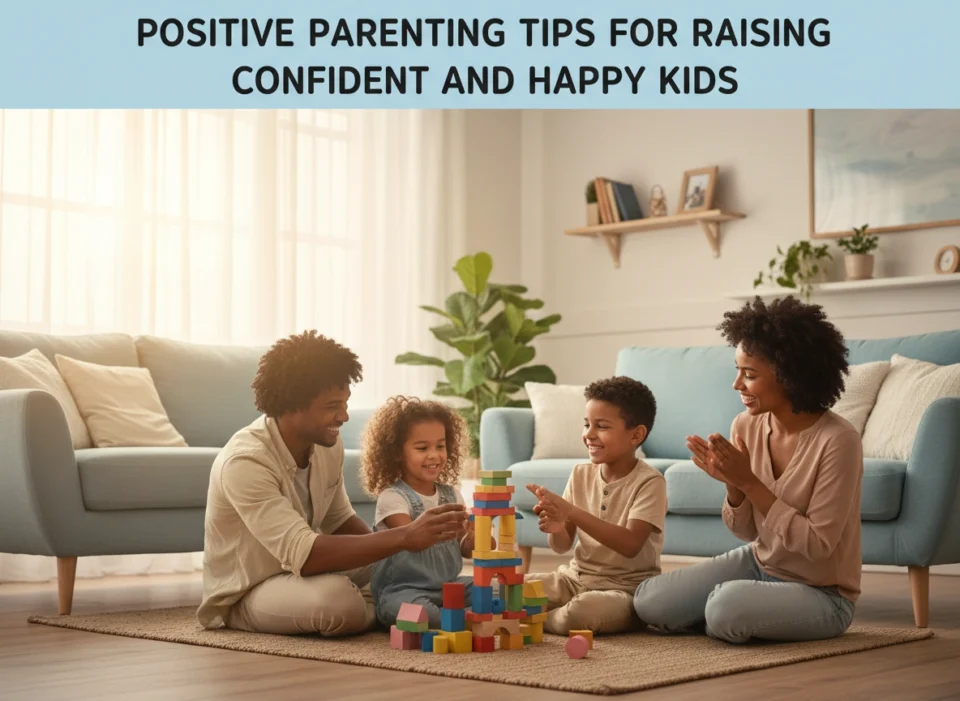
Parenthood doesn’t come with a manual. Most of us are learning on the job, navigating toddler tantrums one minute and teenage mood swings the next. In the midst of the chaos, we all share the same goal: we want our children to grow up feeling capable, loved, and genuinely happy. This is where positive parenting comes in.
It isn’t about being perfect or never saying “no.” Instead, positive parenting focuses on empathy, respect, and constructive guidance. It shifts the dynamic from control to connection. By building a foundation of trust, you empower your children to navigate the world with confidence.
In this guide, we will explore practical strategies to foster emotional well-being, build resilience, and create a home environment where your child can truly thrive.
Why Positive Parenting Matters
Traditional parenting models often relied heavily on strict discipline and obedience. While compliance is sometimes necessary for safety, a fear-based approach can damage a child’s self-esteem and stifle their ability to make independent decisions.
Positive parenting flips the script. It operates on the belief that children are born with the desire to do well and that misbehavior is often a sign of an unmet need or a lack of skills. When we approach challenges with understanding rather than punishment, we teach children emotional regulation.
Research consistently supports this approach. Studies have shown that children raised in supportive, authoritative environments (high warmth, reasonable boundaries) tend to have better social skills, higher academic performance, and lower rates of anxiety and depression. They learn to trust their own judgment because their parents trusted them first.
Strategies for Fostering Unshakeable Confidence
Confidence isn’t about thinking you’re the best at everything; it’s about knowing you can handle whatever comes your way. Here is how you can help build that inner strength in your child.
1. Praise Effort, Not Just Outcomes
It feels natural to say, “You’re so smart!” when your child gets an A. However, focusing solely on intelligence or talent can actually backfire. If a child believes their success is due to fixed traits, they may avoid challenges for fear of failing and looking “dumb.”
Instead, praise the process. Try saying:
- “I noticed how hard you studied for that test.”
- “I love how you didn’t give up when that puzzle got tricky.”
This encourages a “growth mindset,” teaching them that their abilities can improve with effort.
2. Give Them Real Responsibilities
Children feel valuable when they contribute to the family. Even young toddlers can help put toys away or place napkins on the table. As they grow, assign age-appropriate chores like feeding the dog, folding laundry, or cooking a simple meal.
When a child completes a task, they get a dopamine hit of accomplishment. They realize, “I am capable. My family relies on me.” This sense of competence is the building block of self-esteem.
3. Let Them Solve Their Own Problems
It is agonizing to watch your child struggle, whether they are fighting with a friend or failing to tie their shoes. The instinct to swoop in and fix it is powerful. But constant rescue sends a subtle message: “You can’t handle this.”
Step back. act as a coach rather than a savior. Ask guiding questions like, “What do you think you could do differently next time?” or “How do you want to handle this situation?” Allowing them to navigate small failures now prepares them for bigger challenges later.
Nurturing Happiness and Emotional Well-Being
Happiness in children isn’t about constant smiles or getting everything they want. True well-being comes from feeling secure, understood, and emotionally intelligent.
Validating All Emotions
We often rush to hush a crying child or say, “Don’t be sad.” While well-intentioned, this teaches children that negative emotions are bad or inconvenient. To raise emotionally healthy kids, we must validate their feelings—even the messy ones.
If your child is upset because it’s raining and they can’t go to the park, avoid saying, “Stop crying, it’s just rain.” Instead, try: “I know you’re disappointed. You really wanted to play on the swings. It’s okay to feel sad.”
When children feel heard, they move through emotions faster. They learn that feelings are temporary states, not permanent conditions.
The Power of Play
Play is the language of childhood. It is how kids process their world, practice social roles, and relieve stress. In our scheduled lives, free play often gets squeezed out by extracurricular activities and screen time.
Prioritize unstructured downtime. Let them be bored; boredom is often the precursor to creativity. Join in their play occasionally, letting them lead the game. This “child-led play” signals that you value their ideas and enjoy their company, which is a massive boost to their happiness.
The Role of Communication and Active Listening
Strong relationships are built on communication. The way we talk to our children becomes their inner voice.
Active Listening 101
Listening is more than just hearing words; it is about connecting.
- Get on their level: Physically kneel down so you are eye-to-eye. It makes you less intimidating and shows you are focused.
- Put down the phone: Nothing says “you don’t matter” quite like scrolling while a child talks to you.
- Reflect back: Repeat what they said to ensure understanding. “So, you felt angry because Sam took the truck without asking?”
Open-Ended Questions
“How was school?” usually elicits a one-word answer: “Good.” To spark real conversation, ask specific, open-ended questions:
- “What was the funniest thing that happened today?”
- “Who did you play with at recess?”
- “What was the hardest part of your day?”
These questions require more thought and show that you are genuinely interested in the details of their life.
Encouraging Independence and Resilience
Our job is eventually to work ourselves out of a job. We want to raise adults who can function without us.
The “Scaffolding” Technique
Think of teaching independence like building a scaffold. When learning a new skill, provide heavy support. As they gain competence, slowly remove the support until they can stand on their own.
For example, with morning routines:
- Phase 1: You do everything for them.
- Phase 2: You do it together (you put on one sock, they put on the other).
- Phase 3: You watch and verbally guide them.
- Phase 4: They do it alone while you drink coffee.
Reframing Failure
Resilience is the ability to bounce back from setbacks. To teach this, we must destigmatize failure. Share your own mistakes with your kids. Say things like, “I burned dinner tonight because I got distracted. That’s frustrating, but we can make sandwiches instead.”
When they fail, help them see it as data, not a disaster. “That didn’t work out. What did we learn for next time?” This shift in perspective turns obstacles into opportunities for growth.
Actionable Tips for Parents: Putting It All Together
Theory is great, but parenting happens in the messy reality of everyday life. Here are some concrete ways to implement these positive parenting tips starting today.
1. Special Time
Dedicate 10–15 minutes a day to one-on-one time with each child. No screens, no chores, no distractions. Let them choose the activity. This “emotional deposit” strengthens your bond and often reduces attention-seeking misbehavior later in the day.
2. The “When-Then” Strategy
Avoid power struggles by using “When-Then” statements. instead of “If you don’t clean your room, no TV,” try “When your room is clean, then we can watch your show.” It frames the reward as a natural consequence of their responsibility.
3. Family Meetings
Hold a weekly family meeting to discuss schedules, plan meals, and solve problems together. This gives children a voice in family decisions and teaches negotiation and compromise.
4. Practice Self-Compassion
You will lose your temper. You will say things you regret. When this happens, apologize. “I’m sorry I yelled. I was feeling stressed, but it wasn’t okay to take it out on you. I’m going to try to take a deep breath next time.”
Repairing the rupture is a powerful lesson in accountability and forgiveness. It shows your child that relationships can withstand conflict and come out stronger.
Conclusion
Raising confident and happy kids is a marathon, not a sprint. There will be days when positive parenting feels impossible, and that is okay. The goal isn’t perfection; it’s consistency and connection.
By focusing on effort, validating emotions, listening actively, and encouraging independence, you are giving your children the tools they need to navigate life’s ups and downs. You are building a relationship based on mutual respect and love—a safety net that will support them long after they have left the nest. Start small, be patient with yourself, and watch your children bloom.Visit here to explore more details.
You may also read: Understanding Tranches: Simplifying Complex Financial Concepts for Beginners
