

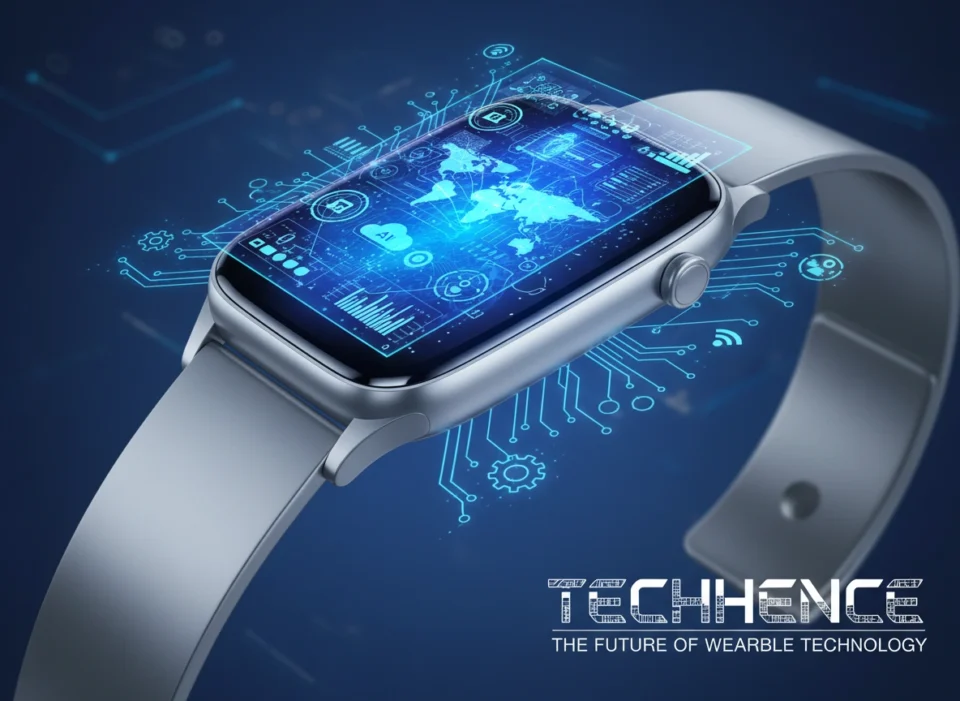
The wrist was just the beginning. For years, wearable technology meant counting steps or receiving notifications without pulling a phone from a pocket. While convenient, these applications barely scratched the surface of what was possible. We are now entering a new era—one defined by seamless integration, biometric precision, and augmented reality. Leading this charge is a concept and movement often referred to in tech circles as “Techhence.”
Techhence represents the evolution of wearables from passive accessories into active, intelligent partners in our daily lives. It isn’t just about hardware; it’s about the convergence of sophisticated AI, advanced material science, and hyper-connectivity. This shift promises to redefine how we monitor our health, interact with digital environments, and optimize human performance.
The Evolution of Connectivity: Beyond the Smartwatch
To understand where Techhence is taking us, we must look at where we stand. Early wearables were bulky, battery-draining devices with limited functionality. Today, the focus has shifted to invisibility and omnipresence. The goal is “ambient computing”—technology that is always there but never in the way.
Techhence pushes this further by utilizing new form factors. We aren’t just looking at watches anymore. We are seeing the rise of smart rings, biometric clothing, hearables with real-time translation capabilities, and augmented reality (AR) glasses that overlay digital information onto the physical world.
The core philosophy of Techhence is friction reduction. If you have to stop what you are doing to interact with the device, the technology has failed. The future lies in devices that anticipate needs. Imagine running shoes that adjust their cushioning based on your fatigue levels in real-time, or a shirt that alerts your doctor the moment it detects a cardiac arrhythmia. This isn’t science fiction; it is the immediate roadmap of next-generation wearables.
Transforming Healthcare: From Reactive to Proactive
Perhaps the most profound impact of Techhence technology lies in healthcare. For decades, medicine has been largely reactive. You get sick, you see a doctor, and you get treated. Wearables are flipping this model to a proactive one.
Continuous Remote Monitoring
Traditional health checkups provide a snapshot of a patient’s health at a single moment in time. Techhence devices offer a continuous movie. Sensors embedded in patches or jewelry can track blood glucose, hydration levels, and blood pressure 24/7. This wealth of data allows AI algorithms to detect subtle anomalies that a human doctor might miss during a 15-minute consultation.
Early Detection and Prevention
Consider the implications for chronic disease management. A diabetic patient using a Techhence-enabled continuous glucose monitor doesn’t just see their current numbers; they receive predictive analytics warning them of a potential hypoglycemic event an hour before it happens. This allows for preventative action, reducing hospital visits and saving lives.
Mental Health and Stress Management
The technology is also making strides in mental wellness. Next-gen wearables measure galvanic skin response and heart rate variability to quantify stress levels. Instead of just tracking these metrics, Techhence systems intervene. If a device detects rising anxiety, it might prompt the user to perform a breathing exercise or guide them through a calming meditation via connected hearables.
Optimizing Human Performance: Fitness and Athletics
In the world of sports and fitness, the margin between victory and defeat is often measured in milliseconds. Techhence provides the data necessary to close that gap.
Biomechanics and Injury Prevention
Smart clothing is revolutionizing training. Fabrics woven with conductive threads can analyze muscle engagement and posture. A runner can receive real-time feedback on their stride efficiency, correcting form issues that could lead to injury. This democratization of professional-level coaching means everyday joggers can access insights previously reserved for Olympic athletes.
Recovery Optimization
Training is only half the equation; recovery is where growth happens. Techhence devices focus heavily on sleep quality and recovery metrics. By analyzing deep sleep cycles and REM stages with clinical precision, these wearables can advise athletes on exactly how hard to push their bodies on any given day. This “readiness score” approach prevents overtraining and maximizes long-term gains.
The Entertainment Revolution: Immersive Experiences
While health and fitness focus on the internal body, Techhence also transforms how we experience the external world. Entertainment is shifting from passive consumption on a flat screen to immersive participation.
Augmented Reality (AR) and Gaming
AR glasses are the flagship of this entertainment shift. Instead of looking down at a phone to play a game, the game exists in the environment around you. Techhence enables multiplayer experiences where digital avatars interact with physical objects. Imagine a board game where the pieces are holograms sitting on your coffee table, or a fitness game where you chase virtual markers through a real park.
Haptic Feedback Systems
Visuals are powerful, but touch creates presence. New haptic suits and gloves allow users to “feel” digital interactions. In a virtual concert, a user could feel the bass of the music vibrate through their chest. In a movie, they might feel the rain or the impact of an explosion. This sensory depth makes digital entertainment indistinguishable from reality, creating a level of immersion previously impossible.
Workplace Applications: The Industrial Metaverse
The boardroom and the factory floor are not immune to the Techhence revolution. Enterprise wearables are boosting productivity and safety in significant ways.
Safety in Hazardous Environments
In industries like mining, construction, or manufacturing, safety is paramount. Smart helmets equipped with environmental sensors can detect toxic gas leaks or dangerous temperature spikes, instantly alerting the worker and their supervisor. Exoskeletons—wearable mechanical structures—assist workers in lifting heavy loads, reducing fatigue and preventing back injuries.
Hands-Free Information Access
For field technicians, AR glasses are invaluable. A mechanic repairing a complex jet engine can see schematics and repair manuals overlaid directly onto the machinery. They can even livestream their view to a remote expert who can guide them through the repair process step-by-step. This hands-free access to information reduces downtime and error rates.
Navigating the Challenges: Privacy and Battery Life
Despite the immense potential, the road to a Techhence future is paved with significant hurdles. Two challenges stand out: power consumption and data privacy.
The Power Paradox
As devices become smaller and more powerful, the demand on batteries increases. Current lithium-ion technology struggles to keep up with the energy needs of always-on sensors and high-speed data transmission. The industry is racing to develop solid-state batteries and energy-harvesting technologies that draw power from body heat or motion. Until these power constraints are solved, the “invisible” wearable will remain tethered to the charging cable.
The Data Privacy Dilemma
When you wear a device that tracks your location, heart rate, voice, and even your gaze, you generate an incredibly intimate data profile. Who owns this data? How is it secured? The integration of Techhence into daily life raises profound privacy concerns.
If an insurance company gains access to your biometric data, could they deny coverage based on a predicted health issue? If hackers breach a haptic suit, could they physically harass a user? Robust encryption, transparent data policies, and strict regulation are not just technical requirements; they are essential for earning public trust.
The Road Ahead: Integration and AI
The future of Techhence isn’t about any single device. It is about the ecosystem. The true power emerges when these devices talk to each other and to the wider internet of things (IoT).
Imagine waking up. Your sleep ring tells your smart thermostat that you are awake, adjusting the room temperature. Your smart mirror displays your health vitals alongside your calendar. Your AR glasses highlight the fastest route to work, avoiding a traffic jam that hasn’t even been reported on the news yet.
Artificial Intelligence serves as the conductor of this orchestra. AI processes the torrent of data generated by wearables, turning raw numbers into actionable wisdom. As AI models become more sophisticated, Techhence devices will move from simply reporting what happened to predicting what will happen and suggesting what should happen.
Conclusion
Techhence is not a fleeting trend; it is the inevitable trajectory of personal computing. We are moving toward a symbiotic relationship with technology, where the boundary between the biological and the digital blurs.
From saving lives through proactive healthcare to enhancing our physical capabilities and enriching our entertainment, the applications are limitless. However, as we embrace these advancements, we must remain vigilant about the ethical and practical challenges they present.
The future of wearable technology promises a world where we are healthier, safer, and more connected. It is a future where technology doesn’t distract us from life but enhances our ability to live it fully. As sensors shrink and algorithms grow smarter, we stand on the precipice of a new human experience—one powered by Techhence.
