
Updated: 27 July 2026 · Reviewed for clarity and usefulness
On this page
A cosy home feels comfortable, supports daily routines and reflects its occupants. Lighting, texture, layout and personal objects can make it welcoming without unnecessary purchases.
These cosy home decor ideas use practical changes that can suit British houses, flats and rented homes. Begin with what you already own, then add or replace items only where they solve a genuine problem.
Decide what cosy means to you
For one household, cosiness means a quiet reading chair. For another, it is a table large enough for friends. Think about the activities that should feel easier: relaxing after work, eating together, playing with children or hosting overnight guests.
Notice what currently interrupts those activities. Harsh lighting, awkward furniture routes, nowhere to put a mug or a persistent draught can matter more than the style of cushions. Make a short list of practical issues before considering decorative changes.
Layer the lighting
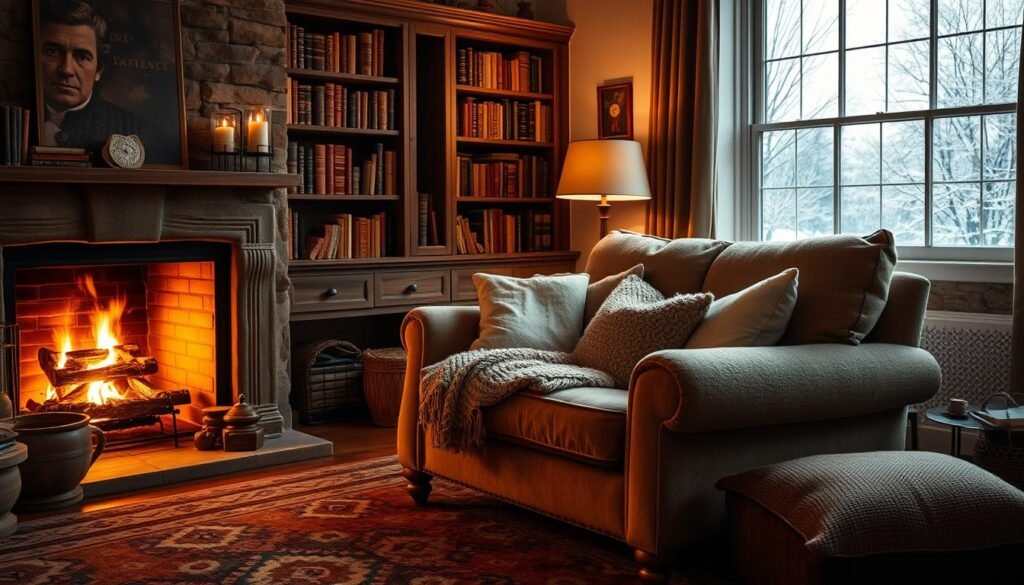
A single bright ceiling light can make a room feel flat. Layers allow the mood to change throughout the day. Combine general lighting with focused task lights and smaller accent lamps where appropriate. A reading chair needs useful light, while a shelf may need only a soft glow.
Choose bulb brightness and colour appearance according to the task and room. Warm-looking light is often associated with relaxation, but kitchens, desks and craft areas still need clear visibility. Position lamps to reduce glare on screens and avoid trailing cables across routes.
Use candles only with care, on stable heat-resistant surfaces and away from fabrics, children and pets. Battery-operated alternatives may offer atmosphere where an open flame is unsuitable. Electrical changes and new fixed fittings should be handled by an appropriately qualified person.
Build a calm colour palette
Cosy does not have to mean beige. Deep green, blue, clay, burgundy and warm neutrals can all feel inviting when they suit the light and scale of a room. Begin with fixed elements such as flooring, worktops and large furniture, then choose colours that connect them.
Test paint on more than one wall and view it during the day and evening. British daylight can change considerably with weather and season. A colour that looks gentle in a shop may appear cooler or darker at home.
Renters can introduce colour through curtains, removable accessories, art and bedding. Repeating two or three tones across a room often feels more coherent than buying a complete matching set.
Add texture without creating clutter
Texture gives a room visual and physical warmth. Woollen throws, cotton bedding, woven baskets, timber, ceramics and rugs can soften hard surfaces. Contrast is useful: a smooth table beside a woven shade or crisp linen with a thicker blanket.
Choose textiles for their actual use. Washable covers may be practical in homes with children or pets, while a low-pile rug can be easier to move across than a deep one. Check care labels and avoid placing loose rugs where they create a trip risk.
Layer gradually. One useful blanket and a pair of comfortable cushions may do more than a crowded arrangement that must be moved every evening.
Arrange furniture around real life
Furniture should support conversation, movement and the room’s main activity. In a sitting room, angle some seating towards each other rather than placing every chair towards a television. Leave clear routes to doors and avoid squeezing around sharp corners.
Small rooms often benefit from furniture with more than one function, such as a footstool with storage or a table that can extend. Measure doors, stairs and the planned position before buying. A piece that fits the floor plan may still be impossible to deliver.
Do not push every item against a wall automatically. Moving a chair or sofa slightly inward can define a comfortable zone, provided circulation and access remain clear.
Create small zones
A room can feel calmer when each activity has a place. A lamp, chair and small table can form a reading corner. A tray can organise tea-making items, while a basket can hold current craft materials. These simple boundaries reduce the sense that everything is spread everywhere.
Open-plan spaces can be divided with rugs, lighting or furniture orientation rather than permanent walls. Keep the visual connection between zones by repeating a colour or material.
Use curtains and window areas well
Window treatments affect light and privacy. Curtains that frame the glass preserve daylight, while lining performance depends on the product and fit.
Never cover ventilation or place fabric near heat. Address persistent damp or draughts rather than hiding them.
Make the bedroom restful
Prioritise a comfortable bed, adjustable bedding layers, clear routes and a useful bedside light.
Give clothes and small objects a home, using a few personal items and closed storage to balance character with calm.
Bring in nature thoughtfully
Plants can add colour and softness. Match them to available light and check suitability around pets or children.
Keep part of a window clear to preserve a view and daylight.
Display personal objects
Group a small selection of photographs, inherited pieces or artwork rather than covering every surface.
Rotate displays instead of buying seasonal decoration. Reuse frames and familiar objects to keep the room personal.
Reduce clutter with useful storage
Place storage near its activity: blankets by the sofa, shoes by the entrance and chargers where devices are used. Edit possessions before adding containers.
Measure before buying. Closed storage calms busy rooms; open shelves suit objects that are used or enjoyed.
Choose changes that last
Cosiness need not depend on consumption. Repairing, rearranging or buying second-hand may solve a problem; for new items, consider durability, care and future usefulness.
Check specific material, manufacture and care information rather than trusting a natural-looking finish.
A room-by-room checklist
- Does each main activity have suitable light?
- Are walking routes clear and safe?
- Can textiles be cleaned and adjusted by season?
- Is storage located where items are used?
- Do colours connect with fixed surfaces?
- Are personal objects visible without crowding every surface?
- Have damp, draught or electrical issues been addressed properly?
Frequently asked questions
How can I make a room cosy on a small budget?
Rearrange furniture, change lamp positions, remove distracting clutter and bring out textiles or artwork you already own. Second-hand pieces and washable covers can add character without a full redesign.
Which colours make a home feel warmer?
Warm neutrals, earthy colours and deeper tones can feel welcoming, but light and surrounding materials change the result. Test samples in the actual room before committing.
How do I make a rented home feel personal?
Use portable lighting, textiles, art, plants and freestanding storage, following the tenancy agreement. Keep original fittings safely if they must be restored later.
Can minimalist rooms still feel cosy?
Yes. A restrained room can feel warm through useful lighting, natural texture, comfortable seating and a few meaningful objects. Cosiness is not determined by the number of possessions.
Create comfort gradually
Start with one room and one problem. Improve the lighting, make a seat more comfortable or give everyday objects a logical home. Small, deliberate changes are easier to evaluate than a complete makeover and more likely to create a calm space that continues to work.